Nepenthes 101: An Introduction
Thanks for joining us on our journey to learn all about the plants we love!
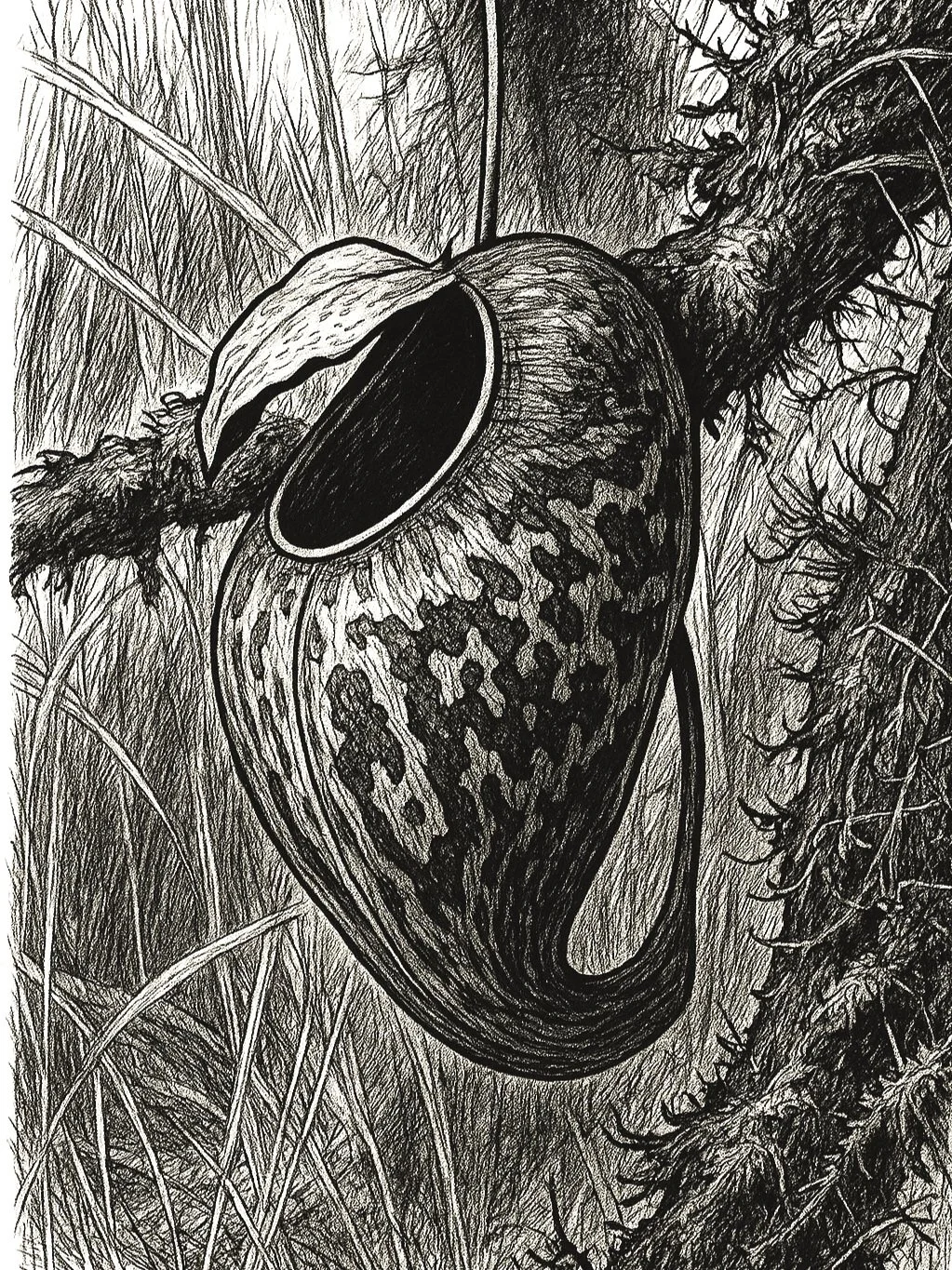
The genus Nepenthes comprises tropical carnivorous plants native to the Old World tropics. Commonly referred to as Tropical Pitcher Plants, Climbing Pitcher Plants or Monkey Cups, these plants are best known for their modified leaves – or pitchers – which, in most species function as pitfall traps. Depending on the species, these traps capture insects, leaf litter, animal droppings and occasionally vertebrates.
Most Nepenthes are found in Southeast Asia, particularly the Philippines, Borneo, Sumatra, Peninsular Malaysia, Sulawesi, Thailand, and New Guinea. However, their distribution extends further, including Eastern Madagascar, The Seychelles, India, New Caledonia, and Australia—the latter being home to four native species.
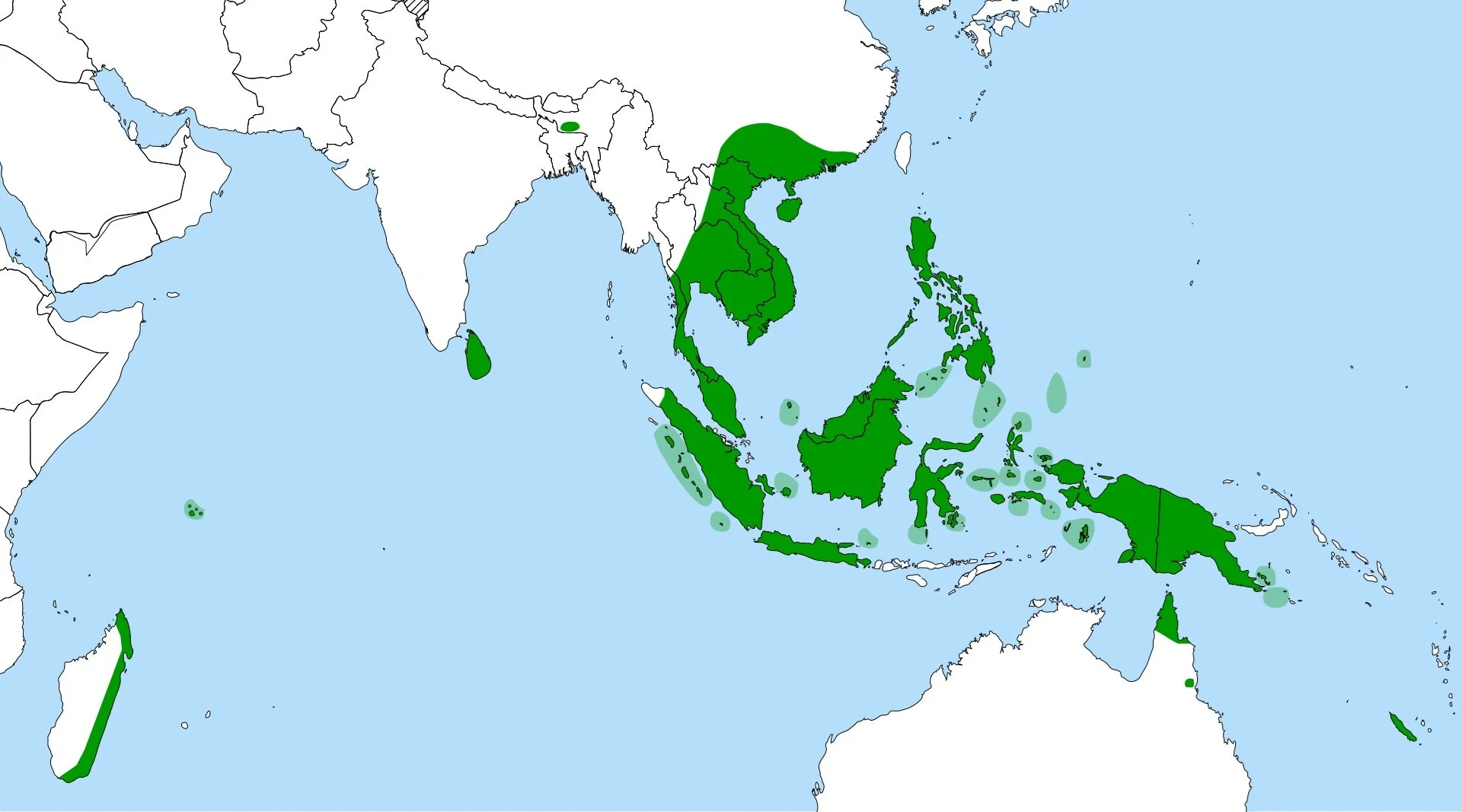
Nepenthes distribution - figure by Petr Dlouhý
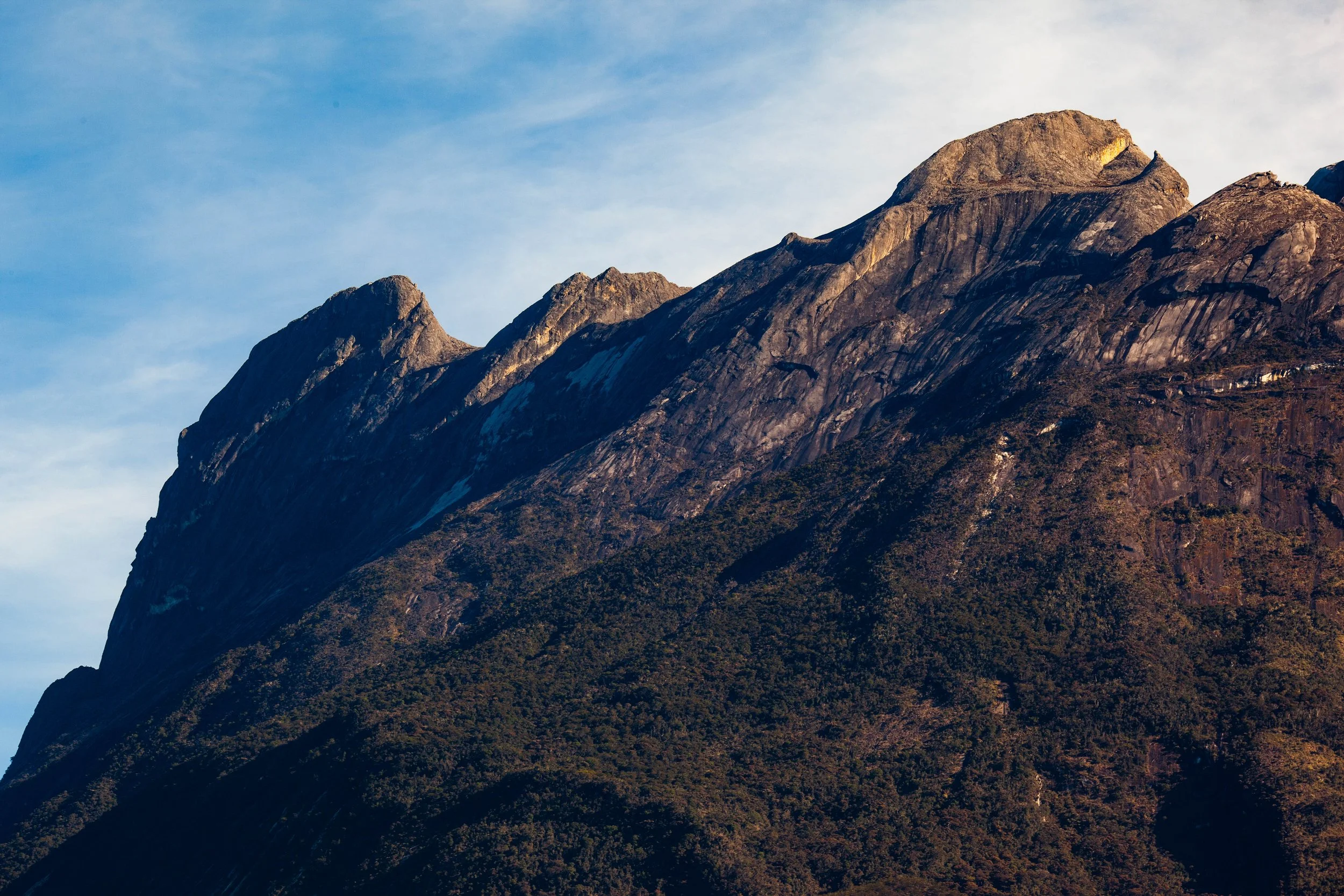
Nepenthes are typically woody climbers that thrive in humid, acidic, nutrient-poor environments. While many are true viners, some species are compact or scrambling; others are epiphytic (growing on trees), lithophytic (growing on rocks), or grow even in sandy beach substrate. Their ecological range is broad, spanning from hot, humid lowland rainforest at sea level to cool montane forest above 3,000 meters. They grow in dense rainforest shade, on exposed limestone cliffs, and in everything from filtered light to full sun. The genus is far more diverse than commonly appreciated.
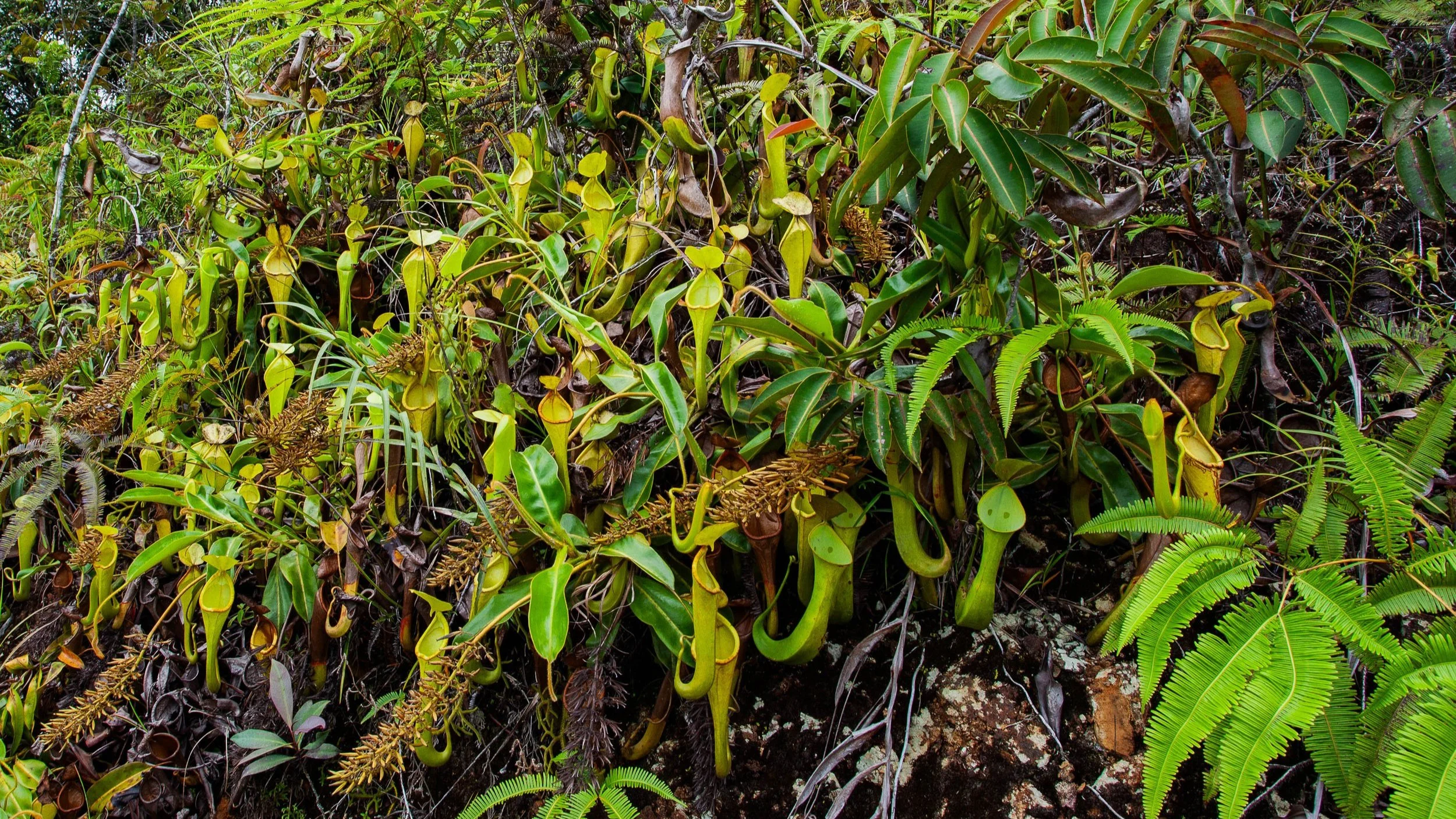
Nepenthes chaniana and reinwardtiana on Mt Marud, Borneo - Photo by Greg Bourke
There are currently over 170 described species of Nepenthes, with new species continuing to be discovered and described each year. There are many more natural occurring hybrids as most species in the genus are capable of fertilising one another if proximity and pollination allows. These hybrids are occasionally given scientific names, italicised and denoted with an × (or sometimes a lowercase x). Some well-known examples include N. × alisaputrana , N. × harryana, and N. × trusmadiensis.
Hybrids can vary considerably with offspring showing different amounts of both parents, and in extreme examples, plants can show strong characteristics of one parent and very little of the other. Many species show incredible variability themselves, particularly between localities. Requiring multiples of every species and hybrid to capture this variability means that modern collectors will almost certainly run out of room before they run out of unique Nepenthes specimens.
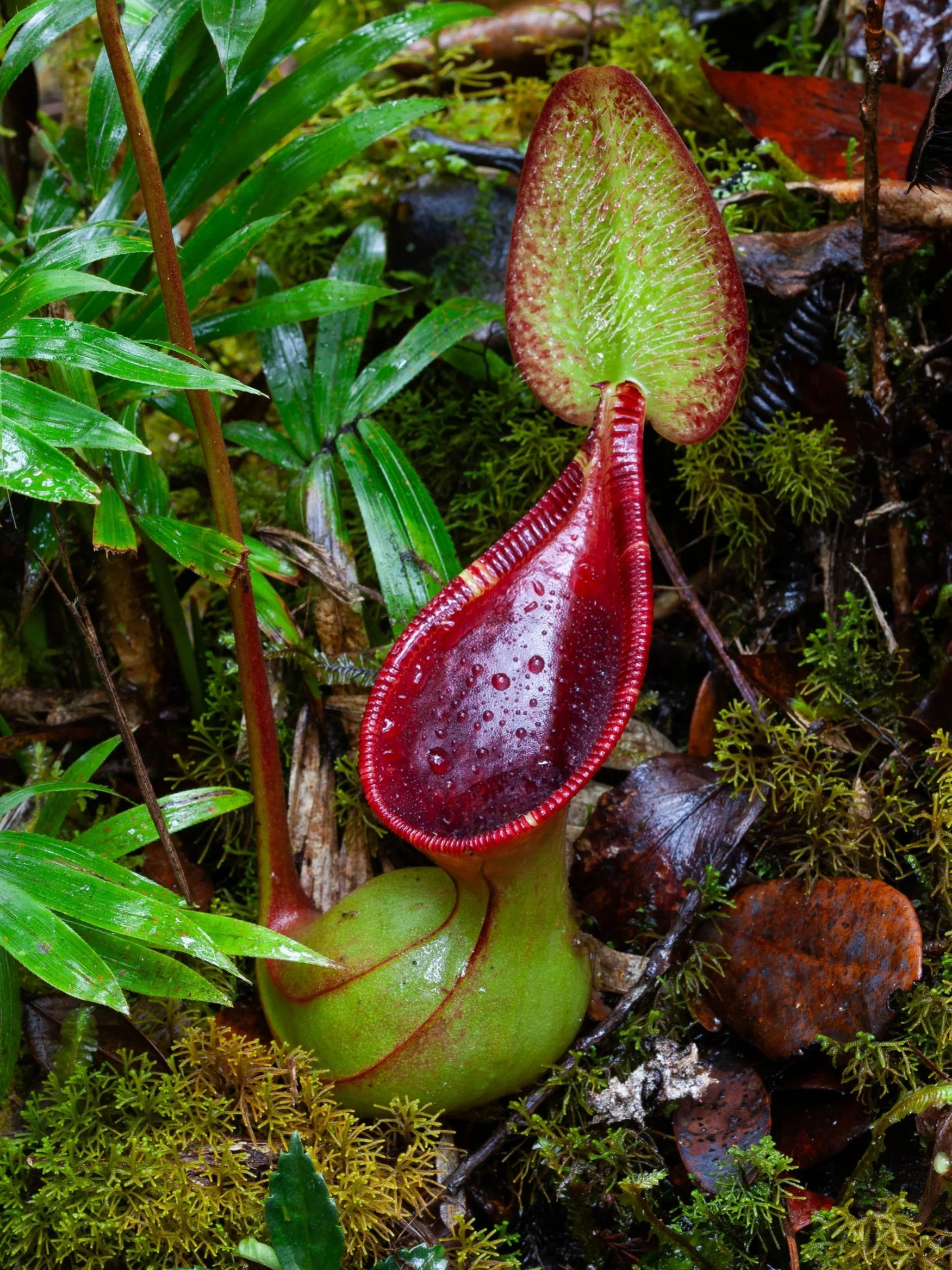
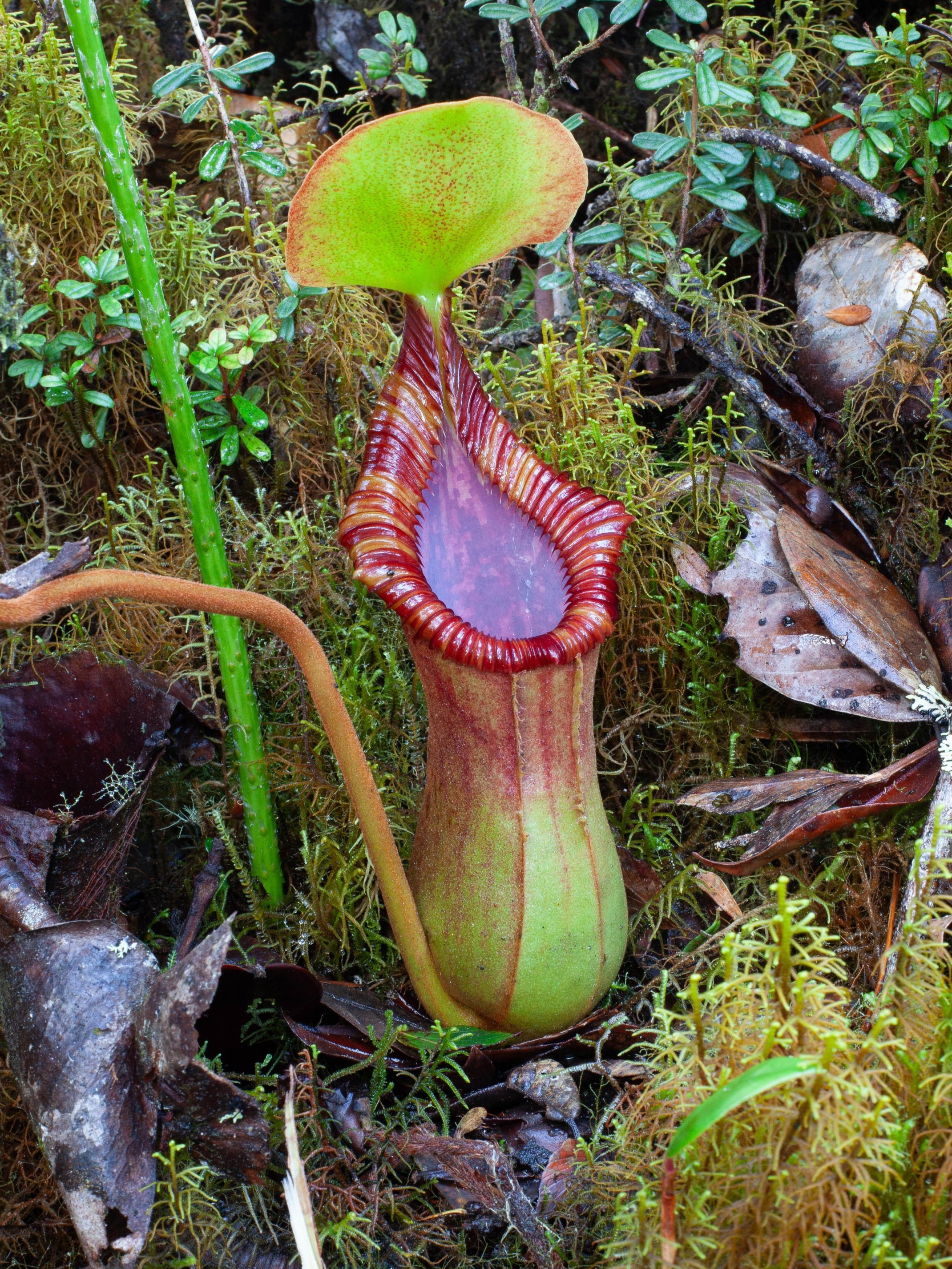
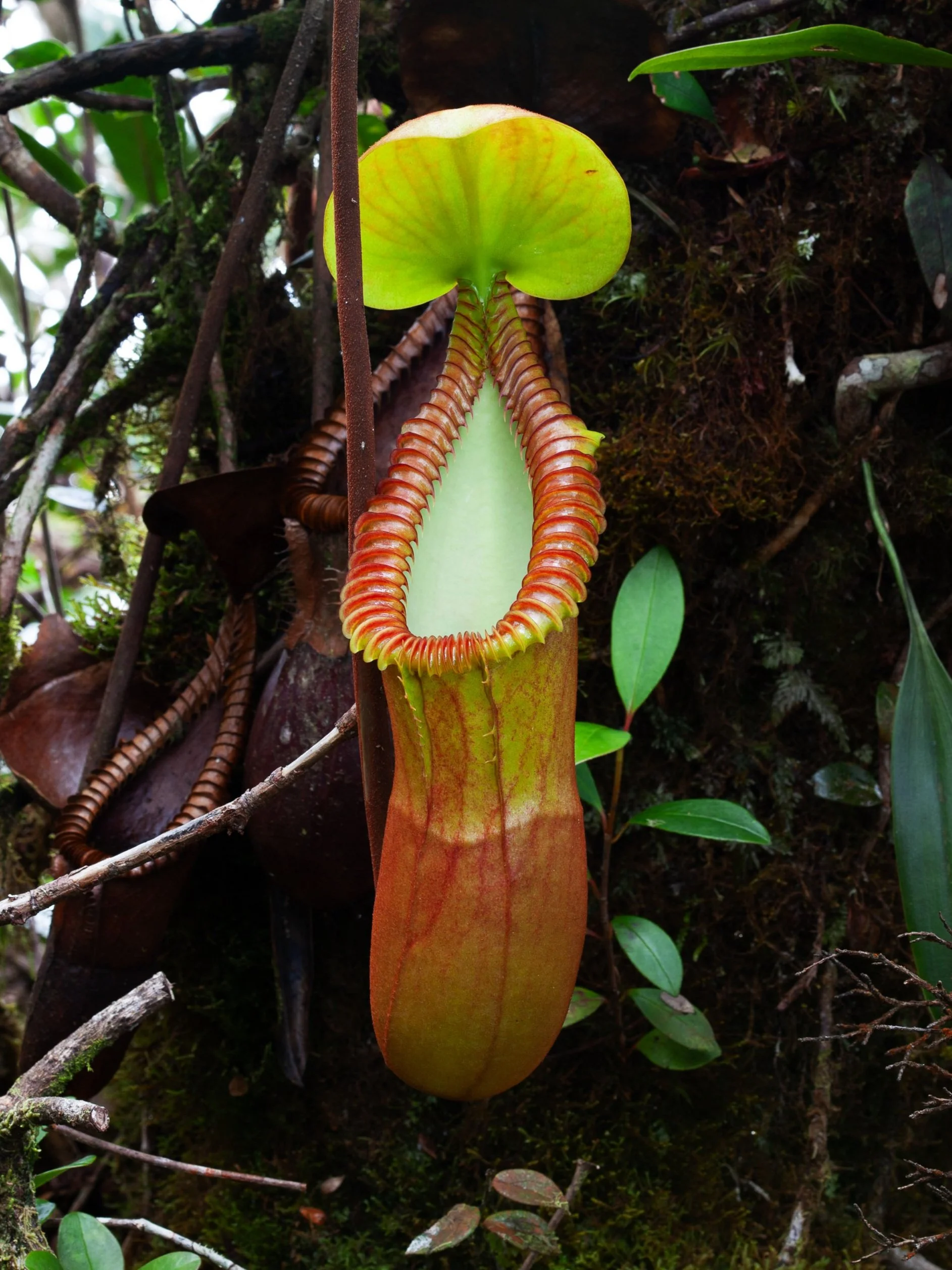
N. lowii, N. macrophylla, and the natural hybrid between the two, N. × trusmadiensis (centre). Photos by Greg Bourke
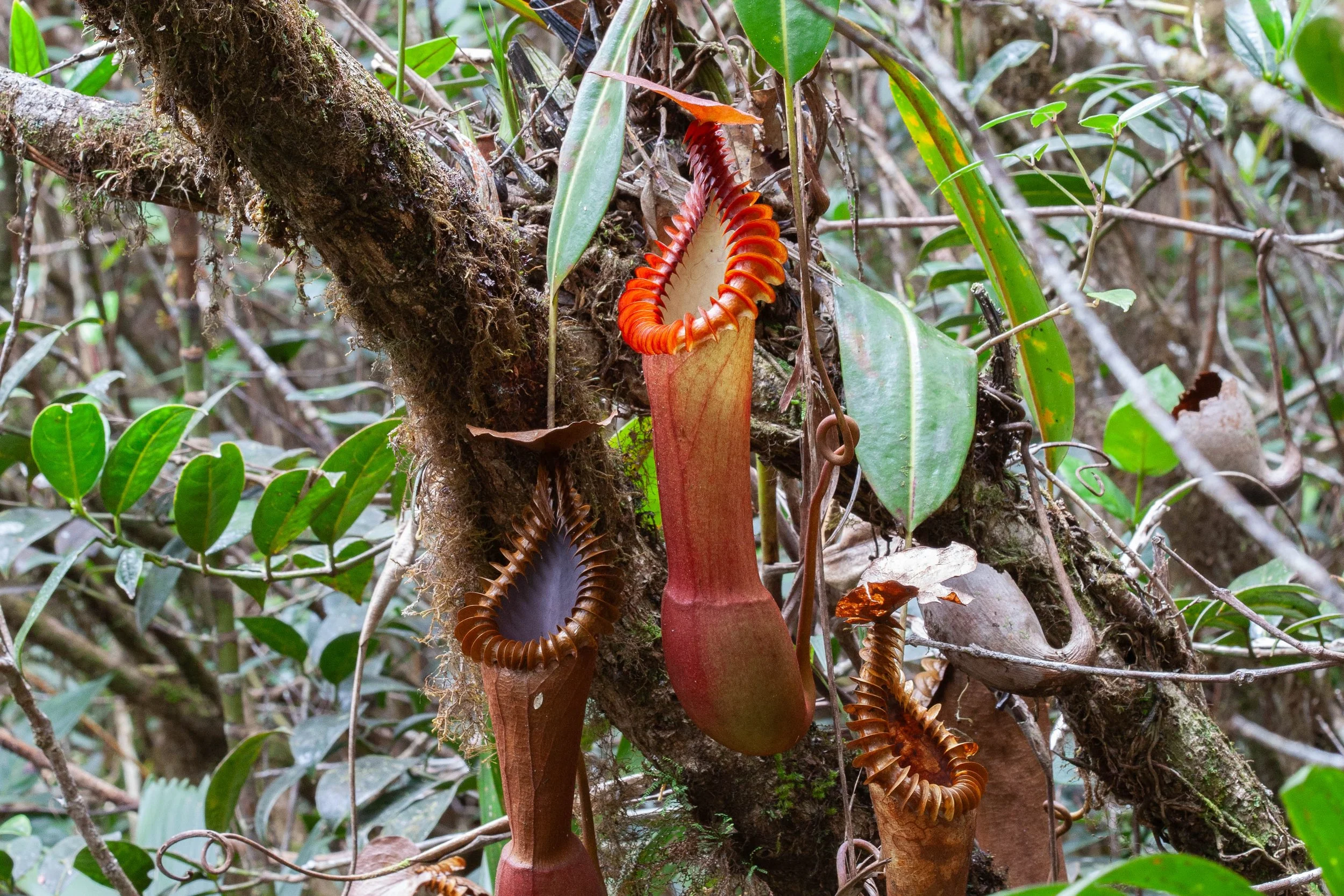
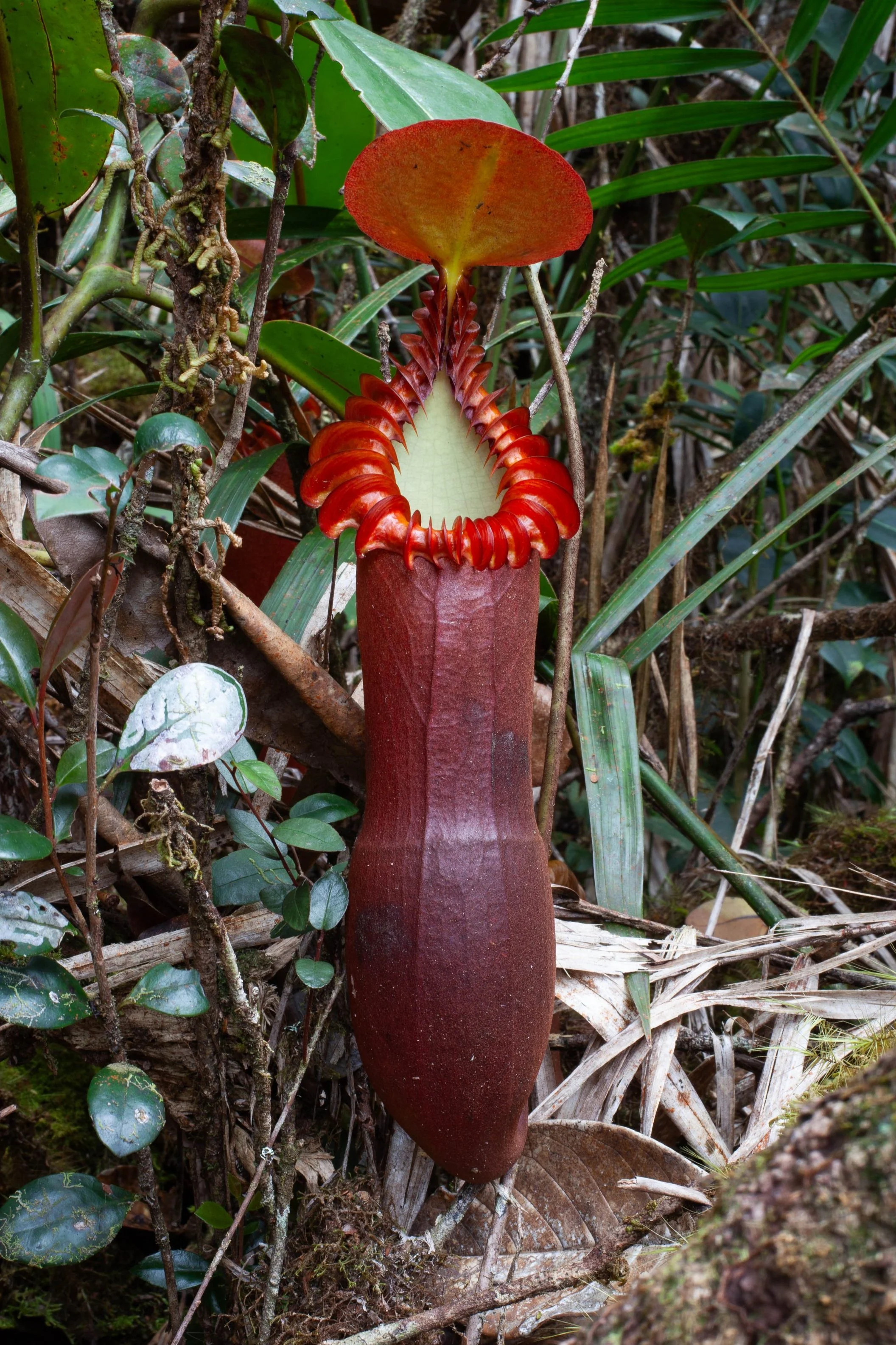

N. edwardsiana, N. villosa, and the natural hybrid between the two, N. × harryana (centre). Photos by Greg Bourke